Suede Leather: The Napped Surface That Changes Everything About Your Material Choice
Suede leather is the inner split of a hide, buffed to create a soft napped finish that looks and feels nothing like the smooth grain side. It comes from…

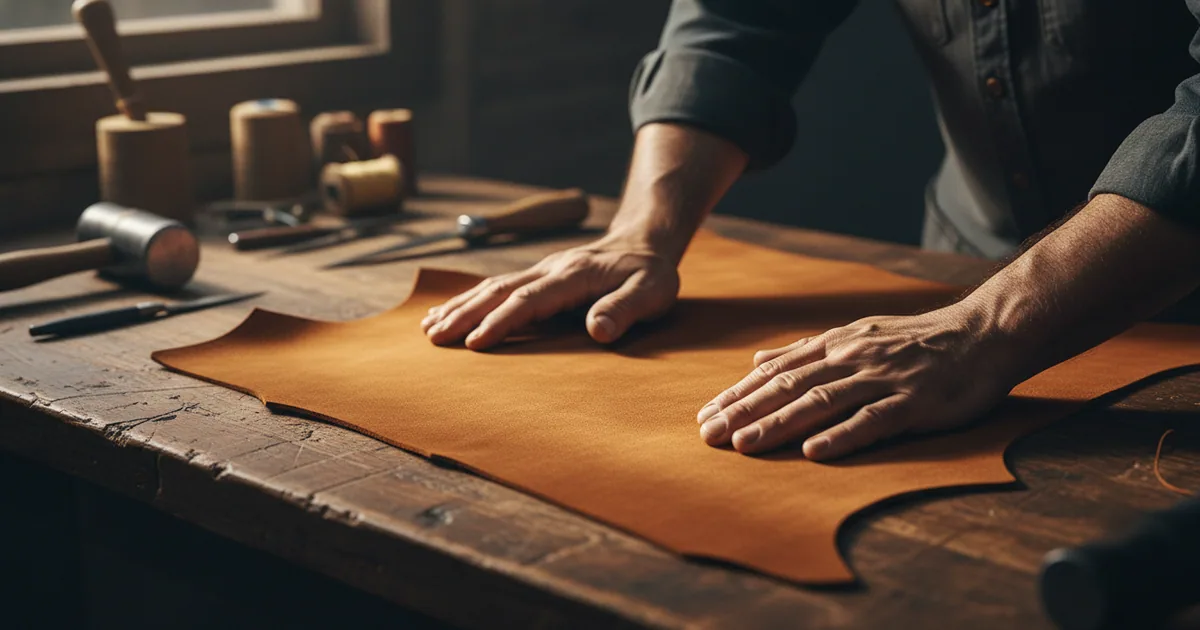
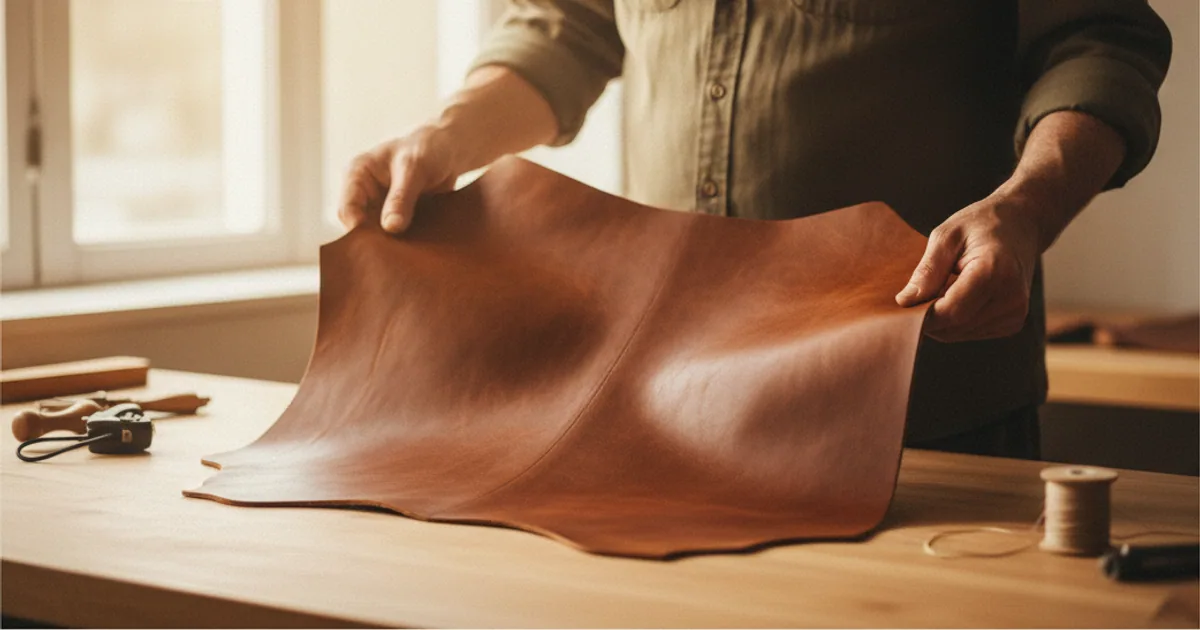
Suede leather is the inner split of a hide, buffed to create a soft napped finish that looks and feels nothing like the smooth grain side. It comes from cattle, goats. sheep. or pigs. The texture you recognize as suede happens when the flesh side gets sanded until short fibers stand upright in a uniform direction. This process creates that distinctive velvety touch that absorbs light instead of reflecting it.
The material matters to anyone sourcing leather for production because suede behaves completely differently than full grain leather under stress, moisture, and daily use. Choosing between them is not about quality. It is about application.
Why Suede Leather Commands Attention in Production
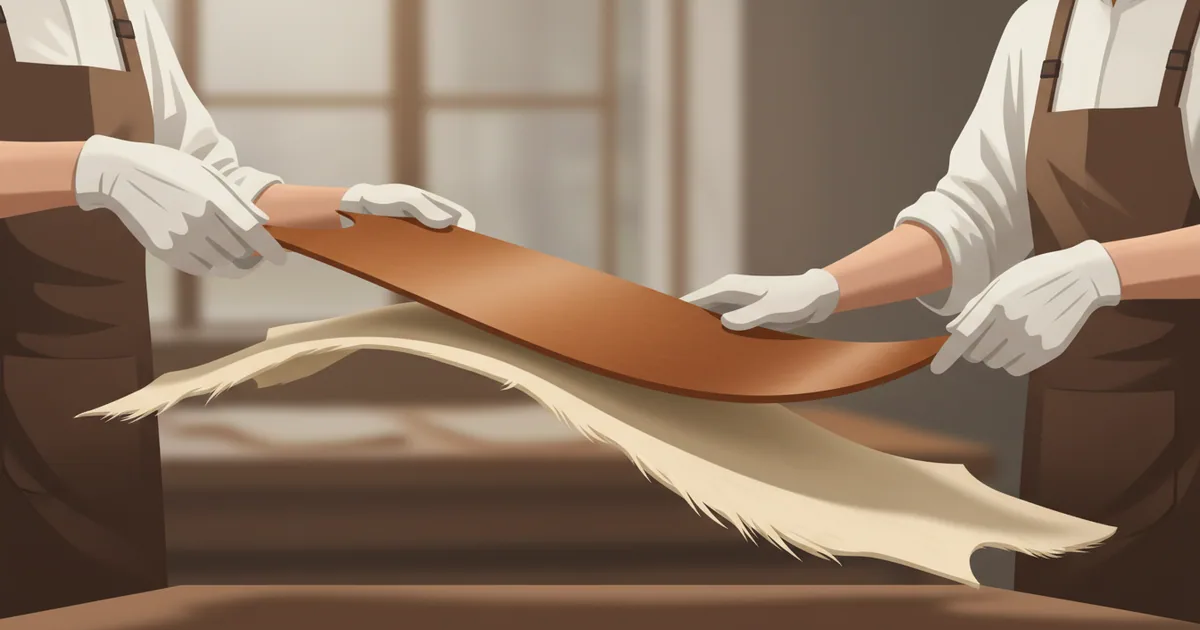 Suede exists because tanners realized the inner split of a hide had value beyond scrap. When you remove the outer grain layer from cowhide or goatskin, you get two pieces. The top becomes your premium surface leather. The bottom becomes suede after buffing.
This split origin explains why suede costs less than full grain for equivalent hide sizes. You are buying the secondary layer. But cost alone does not explain why designers keep specifying it.
The texture creates visual depth that smooth leather cannot match. Light scatters across the napped fibers instead of bouncing back. This gives suede a matte richness that photographs well and ages into character marks rather than obvious scratches. A scratch on grain leather stays visible. A scratch on suede often brushes out.
Suede also molds to form faster than stiffer leathers. Glove makers, footwear designers. and bag manufacturers use this property when they need leather that conforms to complex shapes without excessive breaking in. The fibers have give.
Weight matters too. Suede typically runs lighter than comparable full grain because the densest part of the hide sits in the grain layer you removed. For linings, lightweight accessories. and garments. this weight reduction changes the final product feel.
The material holds dye differently as well. Pigment soaks into the raised fibers and creates saturated color that looks richer than surface-coated grain leather. Deep burgundy, navy. and olive tones in suede have a visual density that appeals to luxury positioning.
How Suede Leather Works in Practice
Suede cuts cleanly with rotary blades or clickers. The napped surface does not slip against cutting mats the way polished grain leather does. Edges do not require the same burnishing treatment because the fiber structure already has a finished appearance. Many makers leave suede edges raw by design.
Stitching penetrates easily. The split structure has less resistance than dense grain, so needle selection matters less for hole punching. Thread tension needs attention because the softer material can pucker if pulled too tight.
Adhesives bond well to suede's porous surface. Contact cement grabs the fibers and holds. This makes suede popular for linings inside bags and wallets where you want adhesion without visible stitching.
Thickness consistency varies more in suede than in full grain. The splitting process is not perfectly uniform, so you will see 0.2mm to 0.4mm variation across a single hide. Production runs requiring tight tolerances need either careful selection or secondary skiving.
Color matching across multiple hides presents challenges. The same dye batch produces visible variation because fiber density affects absorption. When sourcing suede for production, request photos or samples from the specific hides you will receive.
| Property | Suede Leather | Full Grain Leather |
|---|---|---|
| Surface | Napped, matte | Smooth, natural grain |
| Durability | Moderate | High |
| Water resistance | Low | Moderate to high |
| Weight | Lighter | Heavier |
| Cost per hide | Lower | Higher |
| Edge finishing | Often left raw | Requires burnishing |
| Dye saturation | Deep, rich | Surface dependent |
Tradeoffs to Understand First
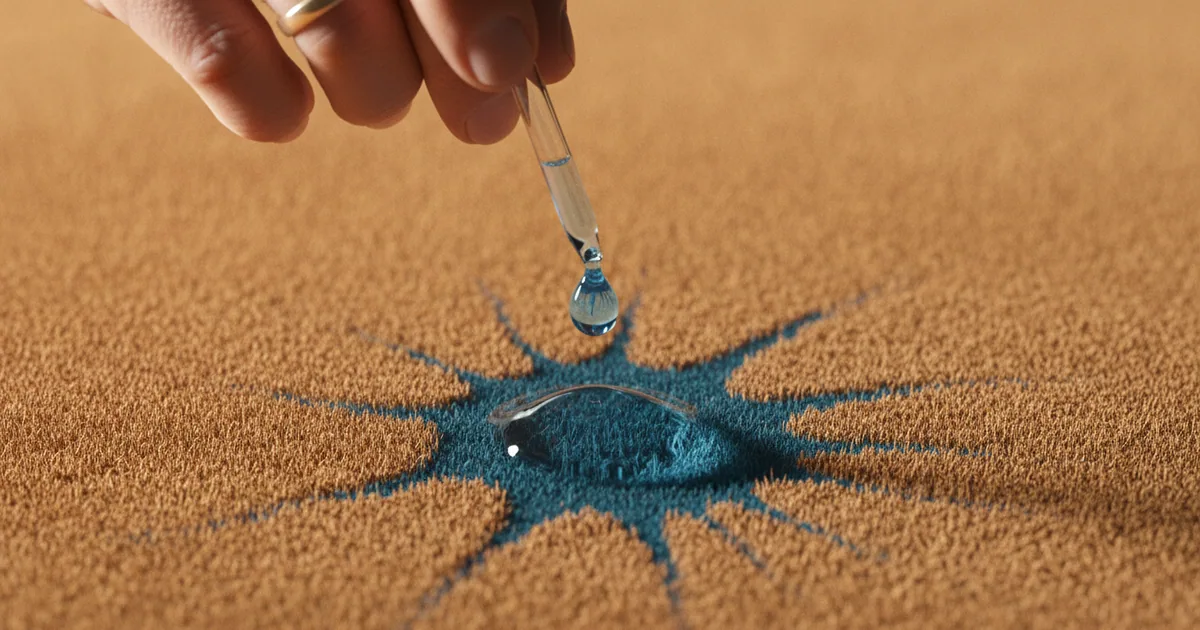 Suede absorbs water. This is not a flaw you can engineer around completely. The raised fibers act like tiny wicks that pull moisture into the material. Waterproofing sprays reduce this temporarily, but they also change the texture and require reapplication.
For products that will see rain, spills. or humidity. suede is the wrong choice unless the user accepts maintenance requirements. Footwear designers know this and position suede shoes as fair-weather options.
Staining happens faster and more permanently than with grain leather. The same porosity that makes suede take dye beautifully also makes it absorb oils, dirt. and liquids. Once a stain sets into the fiber structure, removal is difficult.
The nap direction creates visual inconsistency if you are not careful during cutting. Suede reflects light differently depending on fiber orientation. Cut two pieces from the same hide in different directions and they will look like different colors under the same light.
Suede also shows wear patterns more obviously in high-friction areas. The fibers flatten and change color where hands grip repeatedly. This can look intentional on heritage-style goods. It looks like damage on products positioned as pristine.
Cleaning requires specific tools. Standard leather conditioners designed for grain leather will ruin suede by matting the fibers. Suede brushes, erasers. and dedicated cleaners exist for a reason.
Compare this to nubuck leather, which has similar texture but comes from the grain side rather than the split. Nubuck offers more durability with a comparable look, though it costs more because you are using the premium layer.
Where Suede Leather Usually Goes Wrong
The most common failure is specification mismatch. A designer falls in love with suede's appearance and specifies it for a product that will see heavy use or weather exposure. The material performs exactly as it should. The product fails because the material choice was wrong.
Second failure: inconsistent sourcing. Suede varies dramatically by animal origin. Pig suede has a distinctive pebbled texture from follicle patterns. Goat suede runs thinner and softer. Cow suede offers the most surface area but can feel coarser. Sheep suede is delicate and tears more easily.
Third failure: ignoring thickness requirements. Suede thinner than 0.6mm tears under stress at seams and hardware attachments. Suede thicker than 1.2mm loses the drape that makes it appealing. Most production applications work best in the 0.8mm to 1.0mm range.
Fourth failure: skipping sample verification. Ordering suede based on color swatches or catalog descriptions produces surprises. The actual hides vary. Dye lots differ. Serious buyers request current photos of available stock before confirming orders.
When evaluating whether full grain cowhide leather is good for your application versus suede, the question is not quality ranking. It is fitness for purpose.
Frequently Asked Questions
What animals does suede leather come from?
Suede comes primarily from cattle, goats. sheep. and pigs. Each animal produces suede with different characteristics. Cowhide suede offers the largest working area and moderate softness. Goatskin suede runs thinner with finer fiber structure. Sheepskin suede is the softest but also the most fragile. Pigskin suede has visible follicle patterns that some designers use as a feature and others avoid. The animal origin affects price, durability. drape. and texture.
How do you protect suede leather from water damage?
Apply a silicone-free waterproofing spray designed specifically for suede before first use. Hold the can 15 to 20 centimeters from the surface and apply in light, even passes. Let it dry completely before use. Reapply every few weeks if the product sees regular exposure. No treatment makes suede fully waterproof. The goal is buying time to wipe off moisture before it absorbs. Blot wet spots immediately with a clean cloth. Never rub.
Can you dye suede leather a different color?
Yes, but the results depend on starting color and dye type. Light suede takes new colors well. Dark suede requires stripping or only goes darker. Use dyes formulated for suede, not general leather dyes. because the application method differs. Spray application works better than brush application for even coverage. Test on a hidden area first. Expect some color variation across the surface because fiber density affects absorption.
What is the difference between suede and nubuck?
Suede comes from the inner split of a hide. Nubuck comes from the outer grain side, buffed to create a similar napped texture. This origin difference means nubuck retains the dense fiber structure of the grain layer while suede does not. Nubuck costs more, lasts longer. and resists wear better. Suede is softer, lighter. and more affordable. Both show similar maintenance requirements and water sensitivity. For applications requiring durability with a velvet appearance, nubuck is the stronger choice. For linings, lightweight goods. and cost-sensitive production. suede makes more sense.