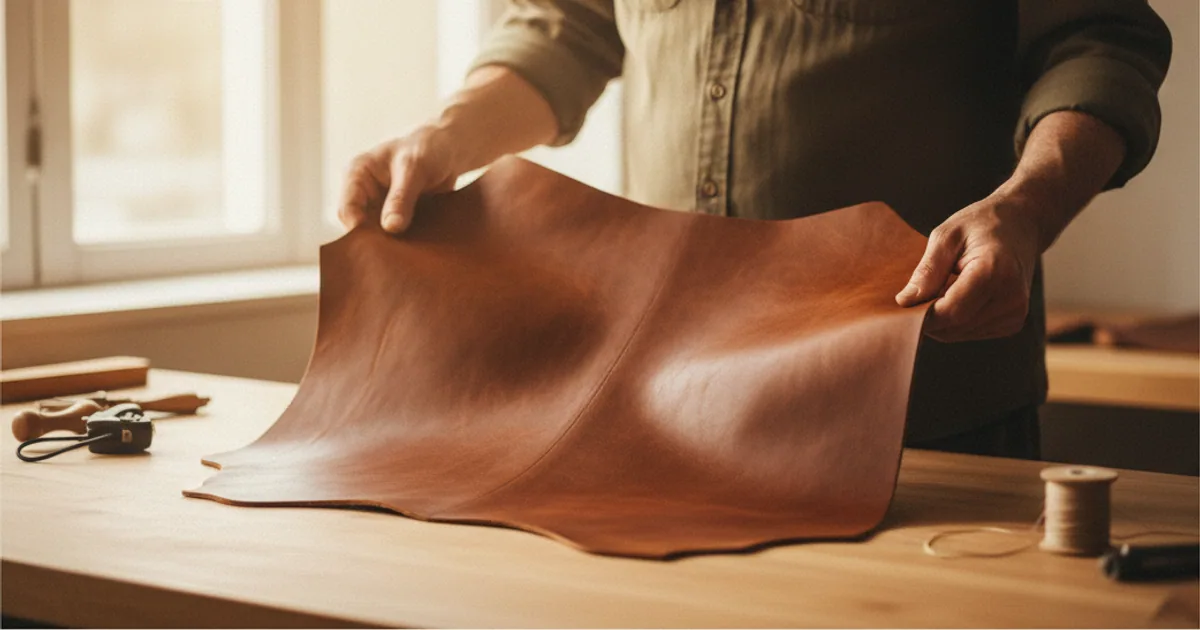
Nubuck Leather: The Sanded Surface That Demands Respect
Nubuck is full-grain leather buffed on the outer surface to create a soft, velvety nap. Unlike suede, which comes from the inner split. nubuck retains the…
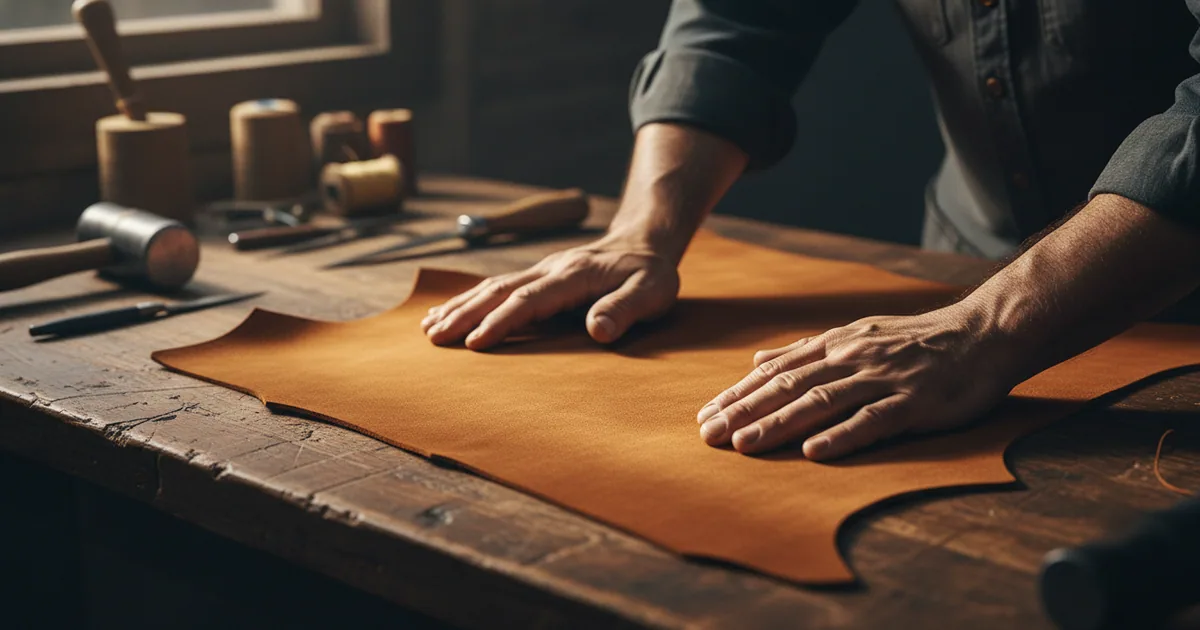
Nubuck is full-grain leather buffed on the outer surface to create a soft, velvety nap. Unlike suede, which comes from the inner split. nubuck retains the hide's strongest layer. That distinction matters for durability, aging. and price. Makers choose nubuck when they want the tactile appeal of suede with the structural integrity of top-grain material.
The buffing process removes a thin layer of the grain, exposing fine protein fibers that catch light and feel almost like velour. This makes nubuck more vulnerable to staining than smooth leather but also gives it a texture that patinas beautifully over years of use. For bags, boots. watch straps. and small accessories. nubuck occupies a specific niche between rugged and refined.
| Property | Nubuck | Suede | Full Grain Smooth |
|---|---|---|---|
| Source layer | Grain side (outer) | Split side (inner) | Grain side (outer) |
| Durability | High | Moderate | Highest |
| Stain resistance | Low | Low | High |
| Texture | Fine velvet nap | Softer, looser nap | Smooth, tight grain |
| Typical thickness | 1.2-1.6 mm | 0.8-1.2 mm | 1.0-2.0 mm |
| Price point | Premium | Mid-range | Premium to luxury |
Why Nubuck Leather Matters
The market for nubuck sits at an intersection few other materials occupy. Buyers want something that feels luxurious without looking fragile. They want texture that ages with character instead of just wearing out.
For footwear brands, nubuck has been a staple since Timberland popularized it in work boots during the 1970s. The material proved that sanded leather could handle outdoor use while maintaining a softer aesthetic than oil-tanned hides. Red Wing, Clarks. and Common Projects all use nubuck in specific lines where they want visual warmth without sacrificing longevity.
In small goods and accessories, nubuck creates differentiation. A wallet in nubuck feels noticeably different from one in smooth cowhide. The same applies to watch straps and card holders. That tactile distinction can justify premium pricing in crowded product categories.
The aging process separates nubuck from synthetic alternatives. A well-made nubuck bag develops burnishing at corners and edges over months of handling. The nap compresses in high-contact areas, creating contrast with the original texture. Synthetic microfibers cannot replicate this because they lack the protein structure that responds to oils and pressure.
Sourcing nubuck requires more attention than sourcing smooth leather. The buffing process reveals flaws hidden beneath the grain surface. A hide with minor scarring might work perfectly for a smooth finish but fail inspection once sanded. Tanneries grade nubuck hides separately, and rejection rates run higher than for comparable smooth leather.
Moroccan tanneries produce nubuck from goatskin and cowhide with distinctive characteristics. Goatskin nubuck tends toward finer grain and softer hand, making it popular for small accessories. Cowhide nubuck offers more body and structure for bags and footwear. Both benefit from vegetable tanning methods that allow the nap to develop warm undertones over time.
How Nubuck Leather Works in Practice
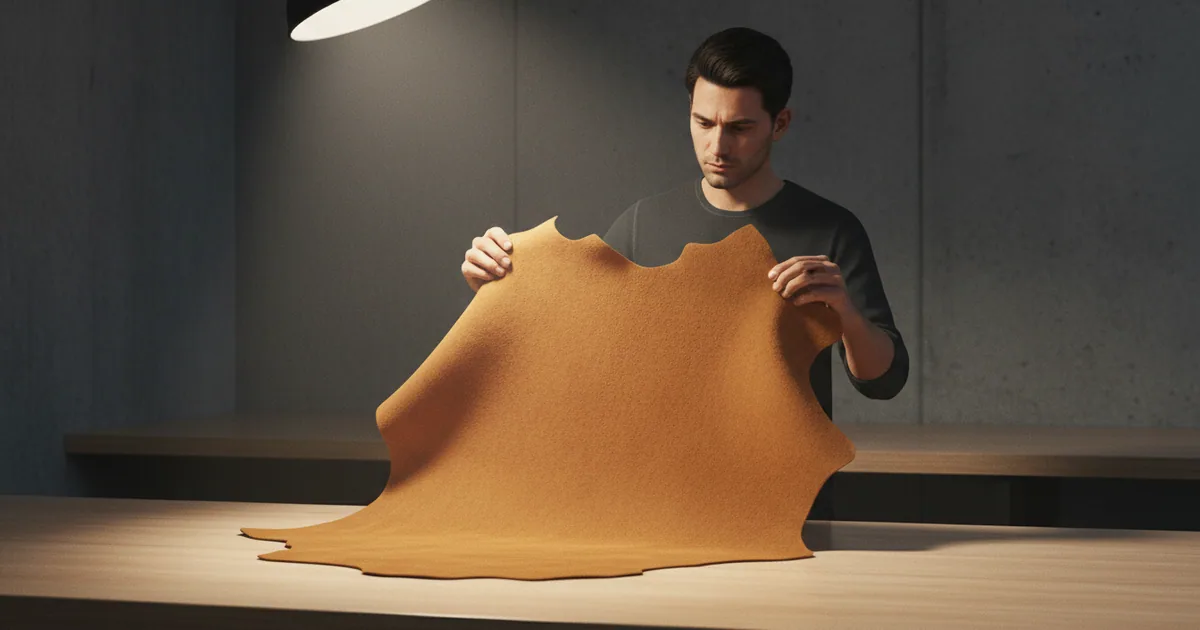 Working with nubuck requires adjustments at every stage of production. Cutting, skiving. edge finishing. and assembly all behave differently than with smooth leather.
Cutting nubuck demands attention to nap direction. The fibers lie in a consistent direction across the hide, and that direction affects how the finished piece looks under different lighting. A bag panel cut with the nap running one way will appear darker or lighter than an adjacent panel cut against the grain. Production teams mark nap direction before cutting and maintain consistency across all pieces.
Skiving nubuck thins the material while preserving the surface texture. The buffed grain side cannot be skived without destroying the finish, so all thickness reduction happens from the flesh side. Most makers keep skived nubuck above 0.6 mm to maintain structural integrity.
Edge finishing presents specific challenges. The sanded surface does not burnish the same way smooth leather does. Heat and friction that would seal a smooth edge can damage the nap and create visible marks. Many makers opt for painted edges or folded edges rather than traditional burnishing.
Adhesives require testing before production. The nap creates a surface that some glues penetrate too deeply while others fail to bond at all. Contact cement works well when applied to the flesh side for lining attachment. Water-based adhesives can darken the visible surface if they migrate through the material.
Stitching through nubuck leaves visible needle holes that do not close. Unlike smooth leather where the grain can partially recover around a stitch, nubuck's sanded surface shows every puncture permanently. This makes stitch placement critical and rework essentially impossible.
For brands sourcing nubuck for the first time, ordering sample cuts before committing to full hides makes sense. The variation between suppliers and even between lots from the same tannery can be significant.
Tradeoffs to Understand First
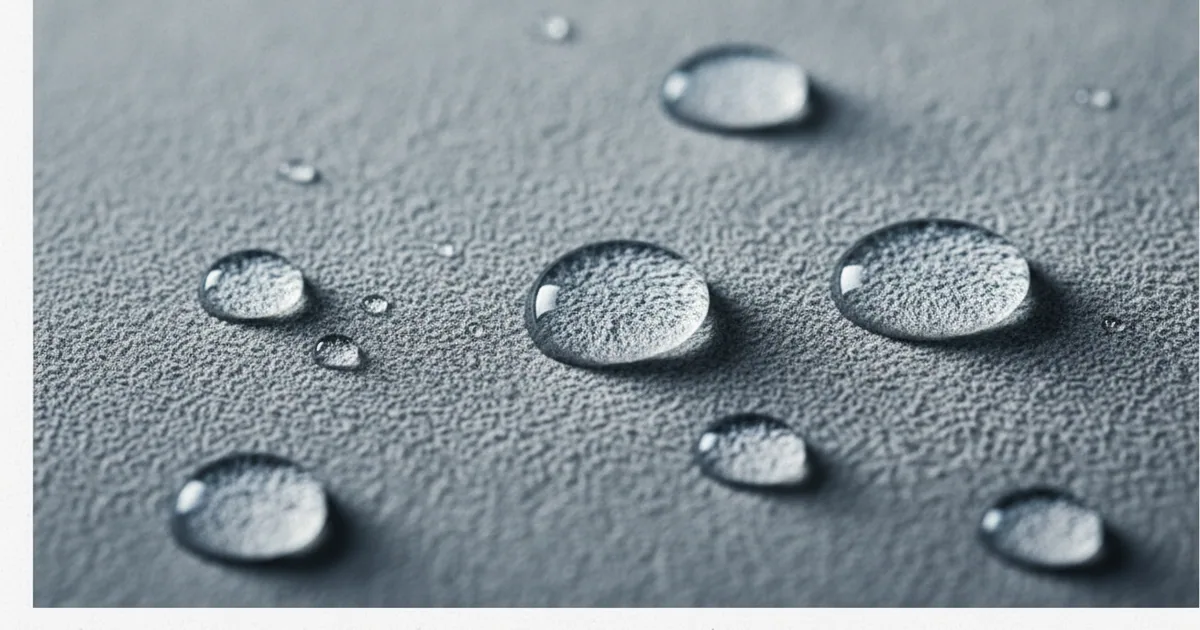 Nubuck's appeal comes with maintenance requirements and production constraints that affect business decisions.
Staining tops the list of concerns. The open fiber structure that creates nubuck's soft feel also absorbs liquids and oils rapidly. Water spots, food stains. and skin oils all mark nubuck visibly. Some stains become permanent within seconds of contact. Brands that sell nubuck products need clear care instructions and realistic expectations.
Protective treatments exist but change the material's character. Fluorocarbon sprays create invisible barriers against water and oil penetration. They work, but they also reduce the soft hand that makes nubuck appealing. Offering both options prevents misaligned expectations.
Color consistency proves harder to achieve than with smooth leather. The sanding process exposes different fiber depths across the hide, and dye penetration varies accordingly. A single nubuck hide can show visible color variation from center to belly to shoulder. Production buyers need to inspect hides in person or request detailed photos before ordering.
Cleaning nubuck requires specific tools. Rubber erasers and brass brushes can restore the nap and remove surface dirt. Liquid cleaners risk creating water spots or driving stains deeper into the fibers.
Where Nubuck Leather Usually Goes Wrong
Production failures with nubuck follow predictable patterns. Most trace back to insufficient material testing or assumptions carried over from working with other leathers.
The most common mistake is treating nubuck like suede. Suede comes from the split layer and behaves differently under stress, adhesive. and finishing. Nubuck has tighter fiber structure, less stretch. and different adhesion characteristics. Treating them as interchangeable leads to production failures.
Ignoring nap direction creates products that look inconsistent. Under showroom lighting, panels cut in different directions appear to be different colors. Customers perceive this as a defect even when the leather is technically fine.
Overskiving causes structural failure. Nubuck that has been thinned too aggressively tears at stress points like handle attachments and corner folds. The sanded surface weakens the grain layer, and excessive skiving removes the structural backing that compensates.
Poor storage damages nubuck before it reaches production. The material absorbs moisture and odors from the environment. It can develop mold in humid conditions. Proper storage means climate control, protective wrapping. and separation from other materials.
For production buyers sourcing from suppliers like those offering full grain leather, asking specifically about nubuck availability, grading standards, and typical rejection rates establishes whether a supplier has genuine expertise with the material.
Frequently Asked Questions
What is the difference between nubuck and suede leather?
Nubuck comes from the grain side of the hide, which is the outer surface. Suede comes from the split side, which is the inner layer after the grain has been separated. Nubuck retains the dense fiber structure of the grain layer, making it stronger and more resistant to tearing than suede. Both materials have a soft nap, but nubuck's nap is finer and tighter. Nubuck typically costs more because it uses the premium portion of the hide and requires careful selection to avoid visible flaws after buffing.
How do you clean nubuck leather without damaging it?
Start with a soft brush to remove surface dust and restore the nap direction. For light stains, use a rubber eraser designed for nubuck and work gently in one direction. Avoid water-based cleaners on untreated nubuck because they can create permanent water spots. For oil-based stains, specialized nubuck cleaning products absorb the oil without spreading it. Allow any cleaning product to dry completely before brushing the nap back into position.
Is nubuck leather good for bags and accessories?
Nubuck works well for bags and accessories when the buyer accepts its maintenance requirements. The material ages beautifully with burnishing and color depth that smooth leather cannot match. It creates immediate tactile differentiation that supports premium pricing. The tradeoff is vulnerability to staining and the need for protective treatment in high-use applications.
How does nubuck compare to full grain cowhide for durability?
Nubuck is technically full grain leather that has been buffed on the surface. The buffing removes a thin layer of the grain, which slightly reduces durability compared to untouched full grain cowhide leather. In practical terms, well-made nubuck products last for years with proper care. The main durability concern is not structural failure but surface degradation from staining and abrasion. Smooth full grain leather handles everyday contact better because its sealed surface resists penetration.