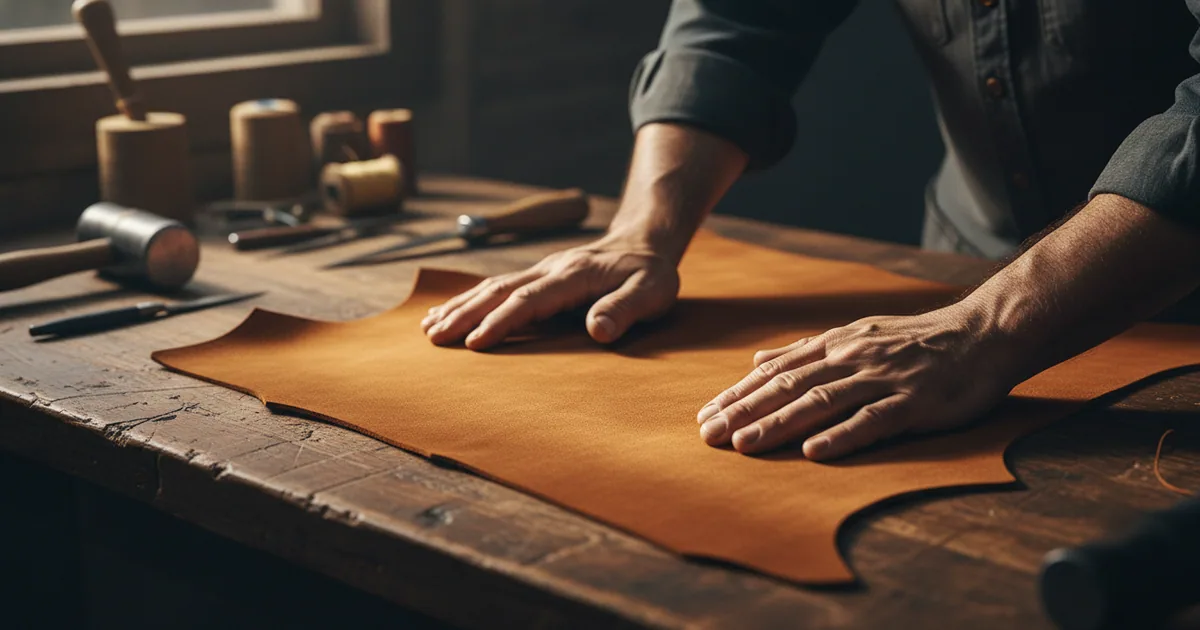
Full Grain Cowhide Leather Is the Best Grade You Can Buy, But It Demands More From You
Full grain cowhide leather is good. It is the highest grade available. The surface retains every natural mark, pore. and fiber structure from the original…
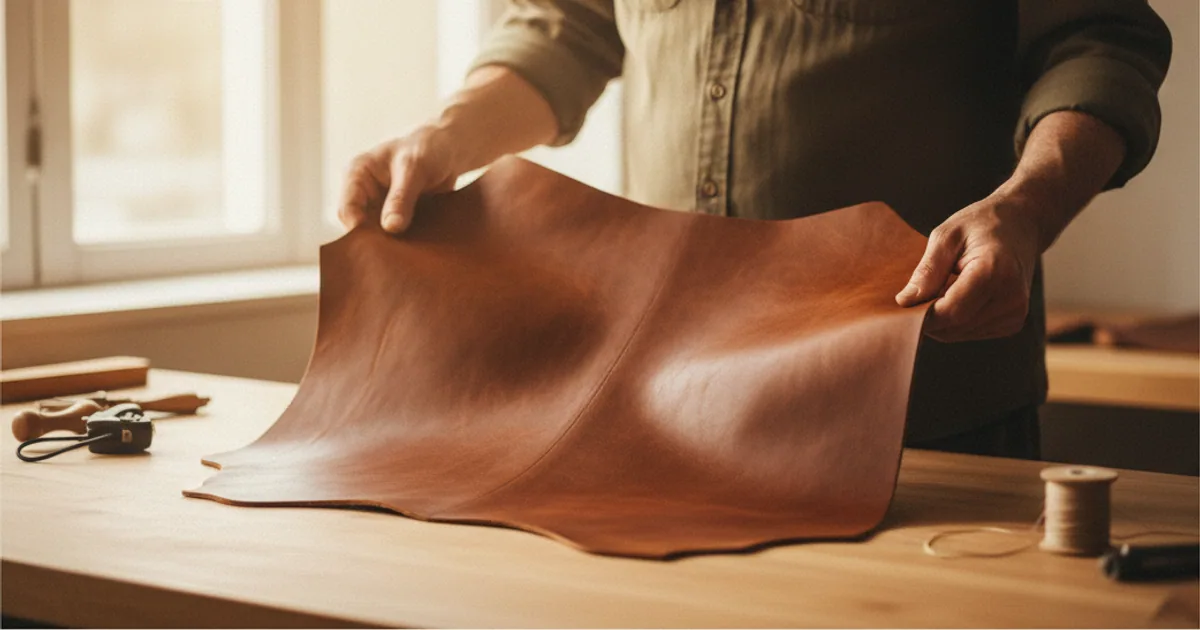
Full grain cowhide leather is good. It is the highest grade available. The surface retains every natural mark, pore. and fiber structure from the original hide. This makes it stronger, more breathable. and longer-lasting than corrected or split alternatives. A well-made full grain cowhide product can outlast its owner.
But "good" depends on what you are making. Full grain cowhide excels in bags, belts. footwear. and goods that benefit from patina development over years of use. It performs poorly when you need uniform color, consistent thickness across large batches. or soft drape without break-in. The material rewards patience. It punishes shortcuts.
| Grade | Surface Treatment | Durability | Breathability | Price Point |
|---|---|---|---|---|
| Full Grain | None (natural surface) | Highest | Excellent | Premium |
| Top Grain | Sanded, buffed | High | Good | Mid-range |
| Corrected Grain | Sanded, embossed | Moderate | Reduced | Lower |
| Bonded | Reconstituted fibers | Low | Poor | Budget |
Why Full Grain Cowhide Matters for Production-Grade Work
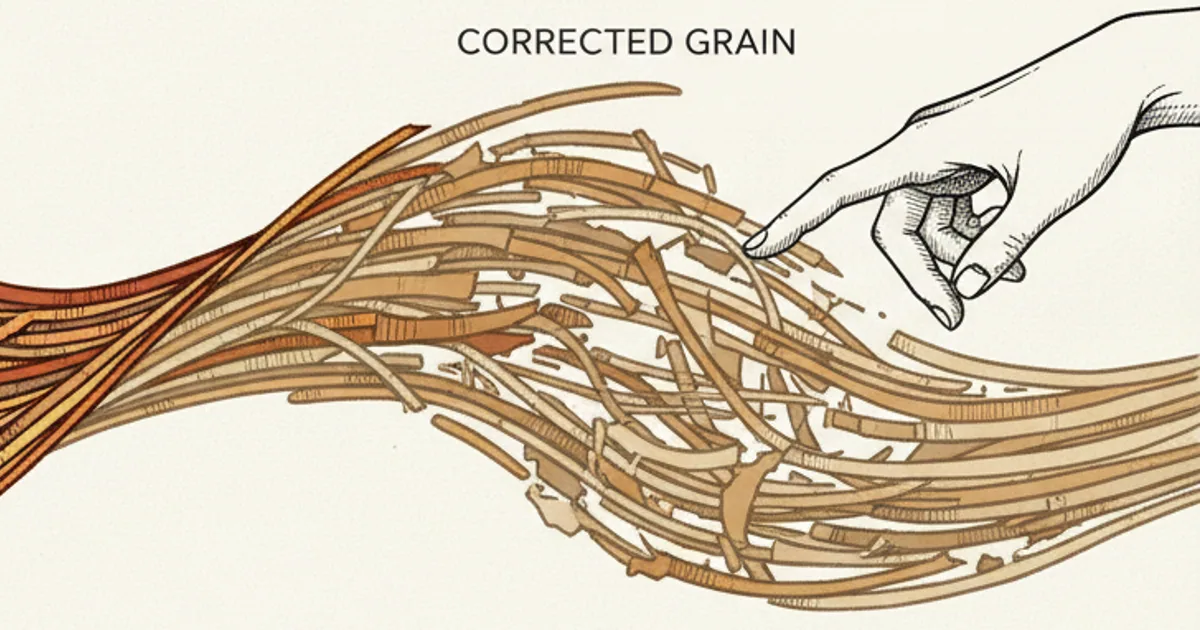 The distinction between full grain and other grades is not marketing language. It reflects the actual fiber structure of the hide. Full grain leather uses the outermost layer of cowhide where collagen fibers are densest and most tightly interlocked. This layer has not been sanded, buffed. or corrected to remove imperfections.
Full grain hides retain approximately 15-20% more tensile strength than top grain alternatives from the same source hide. That gap widens under repeated stress. A full grain belt will hold its shape after five years of daily wear. A corrected grain belt from the same tannery will show structural fatigue in eighteen months.
Breathability matters for applications where moisture contact is frequent. Full grain's intact pore structure allows vapor transmission that synthetic coatings block. Footwear makers pay a premium for this property. A full grain leather boot regulates foot moisture in ways that corrected leather cannot replicate.
The natural surface of full grain leather contains unique identifying marks from the animal's life. According to the Leather Working Group's material standards, these characteristics include healed scars, insect bites, and growth marks that verify authenticity and grade.
For makers sourcing production leather, full grain cowhide signals commitment to durability. Buyers who understand leather recognize the difference. A workshop producing heirloom-quality bags cannot substitute corrected grain without compromising the product's lifespan and resale positioning.
The patina development is not cosmetic decoration. It results from the leather's surface oxidizing and absorbing oils from handling. Corrected grain cannot develop true patina because the sanding process removes the dense outer fiber layer where this transformation occurs.
How Full Grain Cowhide Performs in Actual Production
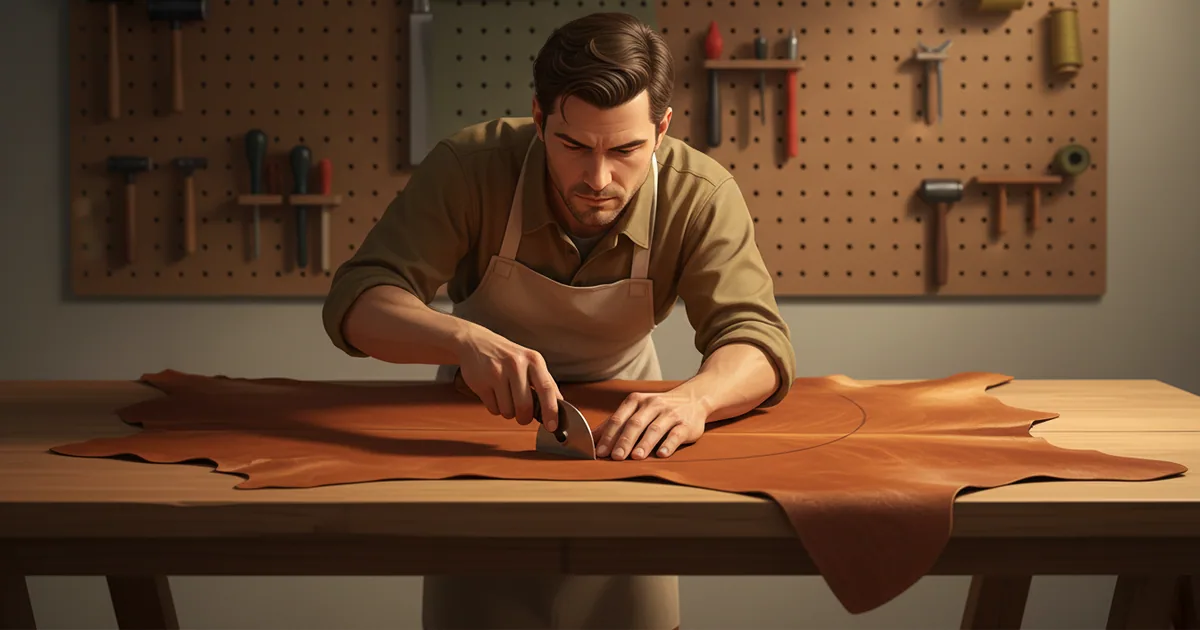 Working with full grain cowhide requires different techniques than processed alternatives. The material is stiffer at initial handling. It resists manipulation until it has been conditioned or worked through use. This creates challenges for mass production but advantages for bespoke and small-batch work.
Cutting full grain cowhide demands attention to hide geography. The back and shoulder areas provide the most consistent thickness and tightest fiber structure. Belly sections stretch more and show looser grain. A skilled cutter can extract maximum usable area by planning pattern placement around natural variations.
Edge finishing on full grain cowhide produces results that bonded or corrected leather cannot match. The dense fiber structure burnishes cleanly. Heat and friction compress the fibers into a smooth, durable edge without filler compounds. This technique fails on lower grades because the fiber structure is too loose or damaged to consolidate.
Stitching holes punched in full grain cowhide grip thread more securely than holes in processed alternatives. The intact fiber matrix distributes stress around each puncture. This explains why vintage full grain goods often outlast their stitching rather than tearing at stitch lines.
Vegetable-tanned full grain cowhide accepts tooling, stamping. and carving because the tanning process leaves the fiber structure receptive to permanent deformation. Chrome-tanned full grain remains more flexible but resists detailed surface work. The tanning method matters as much as the grain grade for certain applications.
Production planners should expect higher waste percentages when cutting full grain hides. Natural marks, scars. and grain variations force pattern adjustments that uniform corrected leather does not require. A 40-square-foot full grain hide might yield 28 square feet of usable cutting area. A corrected hide of the same size might yield 34 square feet.
Tradeoffs You Must Accept Before Committing to Full Grain
Full grain cowhide costs more per square foot than any other leather grade. The premium reflects both material quality and the rejection rate at tanneries. Only hides with minimal surface damage qualify for full grain designation. Hides with excessive scarring, brand marks. or grain defects get sanded down to top grain or corrected grain.
The material requires break-in periods that some product categories cannot accommodate. A full grain wallet feels stiff for the first month of use. A corrected grain wallet feels supple from day one. Customers who expect immediate softness may return full grain products before the leather has relaxed.
Color consistency across multiple hides is difficult to guarantee. Each hide absorbs dye differently based on the density and porosity of its specific fiber structure. Production runs requiring exact color matching across dozens of units face challenges that corrected leather with pigmented finishes avoids.
Thickness variation within a single full grain hide can range from 1.0mm at the belly to 1.8mm at the shoulder. Workshops needing uniform thickness must either split the leather (which removes the full grain surface) or sort cut pieces by thickness for different product applications.
Water resistance on untreated full grain cowhide is poor. The open pore structure that provides breathability also allows moisture penetration. Protective treatments help but can alter the leather's hand feel and patina development.
Where Full Grain Cowhide Projects Fail
The most common failure mode is mismatched expectations between maker and buyer. A workshop selling full grain goods to customers expecting corrected leather uniformity will generate returns and complaints. The natural variations that leather enthusiasts prize look like defects to uninformed buyers.
Insufficient conditioning before assembly causes cracking at fold points. Full grain cowhide needs oil or conditioner worked into the fibers before tight bends. Skipping this step produces goods that crack along fold lines within months.
Using full grain cowhide for applications requiring soft drape wastes the material's advantages. Garment leather needs flexibility that full grain naturally resists. A jacket maker choosing full grain cowhide over lambskin or goatskin fights the material rather than working with it.
Overworking the leather during assembly damages the grain surface. Full grain cowhide shows every scratch, gouge. and tooling mistake because no surface coating hides imperfections. Workshops transitioning from corrected leather need to adjust handling practices.
Price-based sourcing decisions frequently backfire. The cheapest full grain cowhide often comes from hides that barely qualified for the designation. These marginal hides have more loose grain, stretch inconsistency. and surface imperfections than premium selections. The cost savings disappear in higher waste rates and quality complaints.
Frequently Asked Questions
How can I verify that leather is actually full grain and not mislabeled?
Examine the surface under magnification. Full grain leather shows irregular pore patterns and natural texture variations. Corrected grain shows uniform, repetitive patterns from embossing plates. The back side of full grain leather has a consistent suede-like nap. Bonded leather shows fabric or paper backing. Bend the leather sharply. Full grain develops fine wrinkles at the bend point. Corrected grain shows the embossed pattern stretching or cracking.
Does full grain cowhide leather require special care compared to other grades?
Full grain cowhide benefits from periodic conditioning with leather-specific oils or creams. The frequency depends on use and climate. Goods used daily in dry environments need conditioning every two to three months. Items in humid climates or occasional use need conditioning once or twice yearly. Avoid silicone-based products that can clog pores. Clean surface dirt with a damp cloth before conditioning. Store away from direct sunlight and heat sources.
What thickness of full grain cowhide works best for bags versus belts?
Bag panels typically use 1.0mm to 1.4mm full grain cowhide for the right balance of structure and weight. Straps and handles need 1.6mm to 2.0mm for load-bearing durability. Belts require 3.0mm to 4.0mm thickness to resist stretching under constant tension. Wallets and small goods work best with 0.8mm to 1.2mm leather that folds without excessive bulk. These ranges assume vegetable-tanned full grain. Chrome-tanned full grain can go slightly thinner because of its greater flexibility.
Is full grain cowhide worth the price premium for small production runs?
The premium pays off when your target customer values longevity and patina development. A workshop producing thirty bags per month for buyers who understand leather quality will build reputation and command higher prices with full grain cowhide. A workshop producing three hundred bags per month for price-sensitive retail channels may find the cost and consistency challenges outweigh the benefits. Calculate your waste percentage, conditioning time. and customer education requirements before committing to full grain for production volumes.