Full Grain Leather: What Makes It the Highest Grade and When It Actually Matters
Full grain leather is the top layer of an animal hide with the complete grain surface intact. No sanding. No buffing. No corrections. The epidermis stays…
Full grain leather is the top layer of an animal hide with the complete grain surface intact. No sanding. No buffing. No corrections. The epidermis stays exactly as it grew, which means every mark. pore. and fiber pattern remains visible. This is why full grain commands premium prices and why it performs differently than corrected or split leathers over a 10 to 20 year lifespan.
The grain surface is the densest, tightest part of the hide. Removing it (as manufacturers do with top grain or genuine leather) sacrifices the structural integrity that makes leather durable in the first place. Full grain keeps that density. It develops patina instead of cracking. It breathes better. It resists moisture penetration more effectively than any processed alternative.
For production buyers sourcing hides for bags, belts. footwear. or accessories. the distinction matters because full grain behaves predictably under stress. It stretches without tearing. It accepts dyes and finishes without requiring heavy topcoats.
Why Full Grain Leather Matters
 The economics of leather grading favor full grain for any product intended to last. A hide with intact grain can withstand years of daily use because the fiber structure remains uncompromised. When tanners sand or buff a hide to remove imperfections, they cut into that fiber network. The result looks uniform but loses tensile strength.
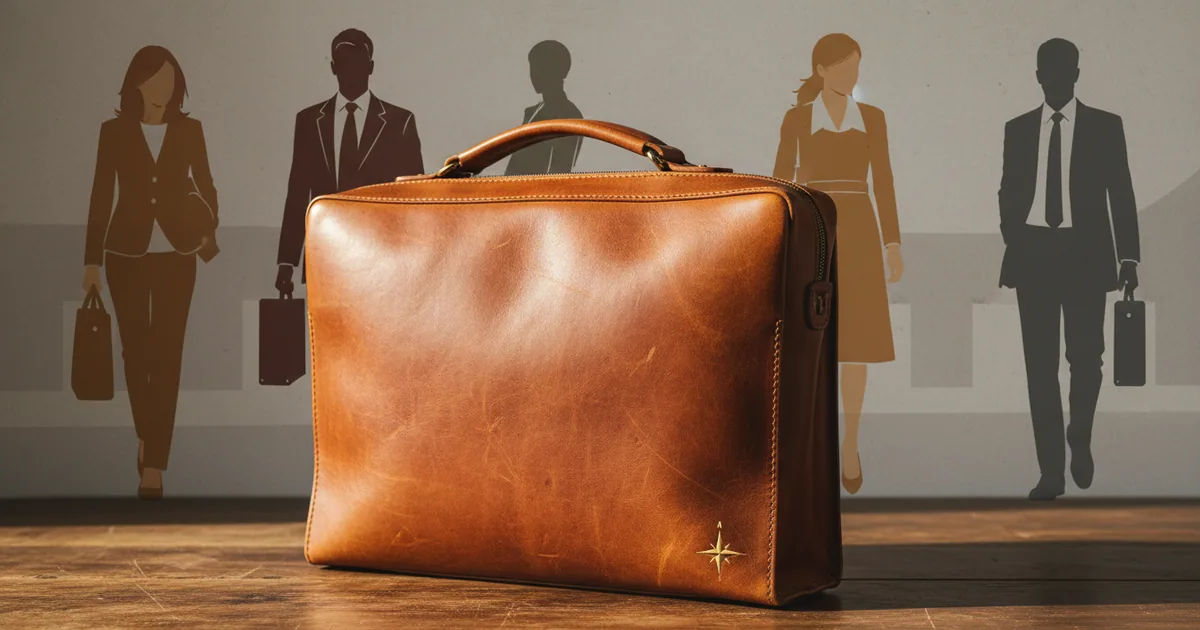
Full grain also ages in a way that lower grades cannot replicate. The patina that develops over time comes from natural oils in the leather interacting with light, friction. and the environment. A 15 year old full grain briefcase looks better than a 3 year old corrected grain bag. The surface changes are additive rather than destructive.
Evidence block: According to the Leather Working Group, full grain hides retain approximately 30% more tensile strength than corrected grain hides from the same animal because the grain layer contains the highest concentration of collagen fibers. Source: Leather Working Group Technical Guidelines
Breathability matters for production buyers. Full grain leather allows moisture vapor to pass through at rates that synthetic materials and heavily coated leathers cannot match. For footwear, gloves. and accessories worn against skin. this translates to comfort over extended wear.
The price premium for full grain (typically 40% to 100% higher than top grain) reflects scarcity as much as quality. Only hides with minimal scarring, insect damage. or brand marks qualify. Tanners cannot manufacture more full grain from a given batch of raw hides. The supply is fixed by the condition of the animals.
How Full Grain Leather Works in Practice
Sourcing full grain for production requires understanding how hides are graded before they reach your workbench. Tanners sort hides into grades based on surface defects. The cleanest hides become full grain. Hides with moderate defects get sanded into top grain. Heavily marked hides become split leather or get embossed to hide imperfections.
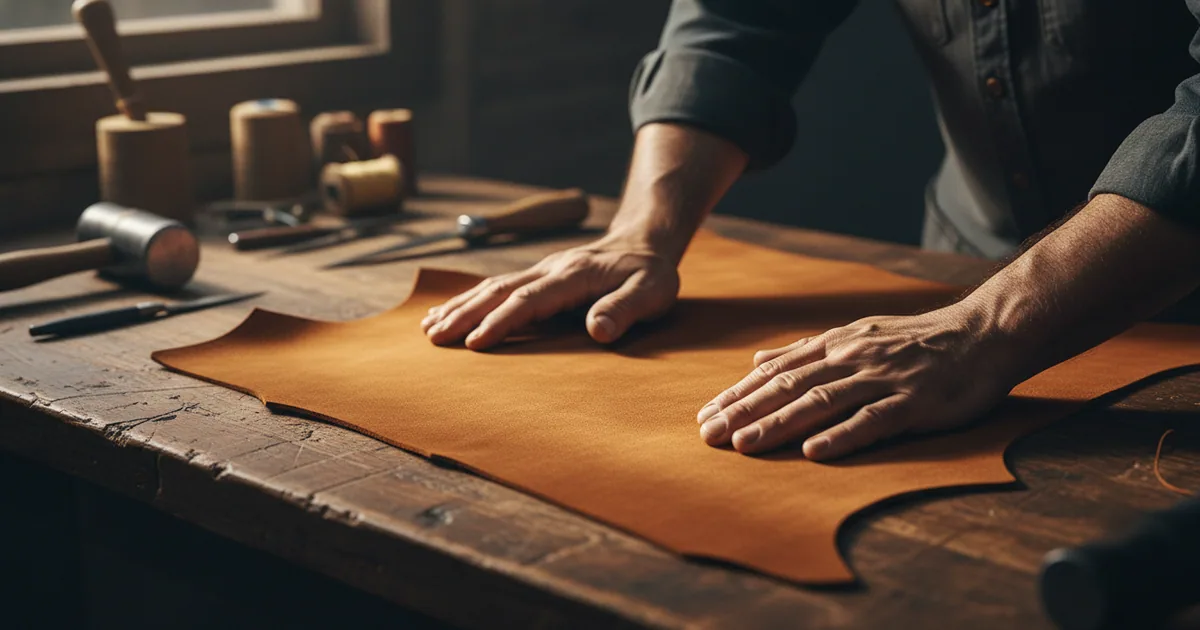
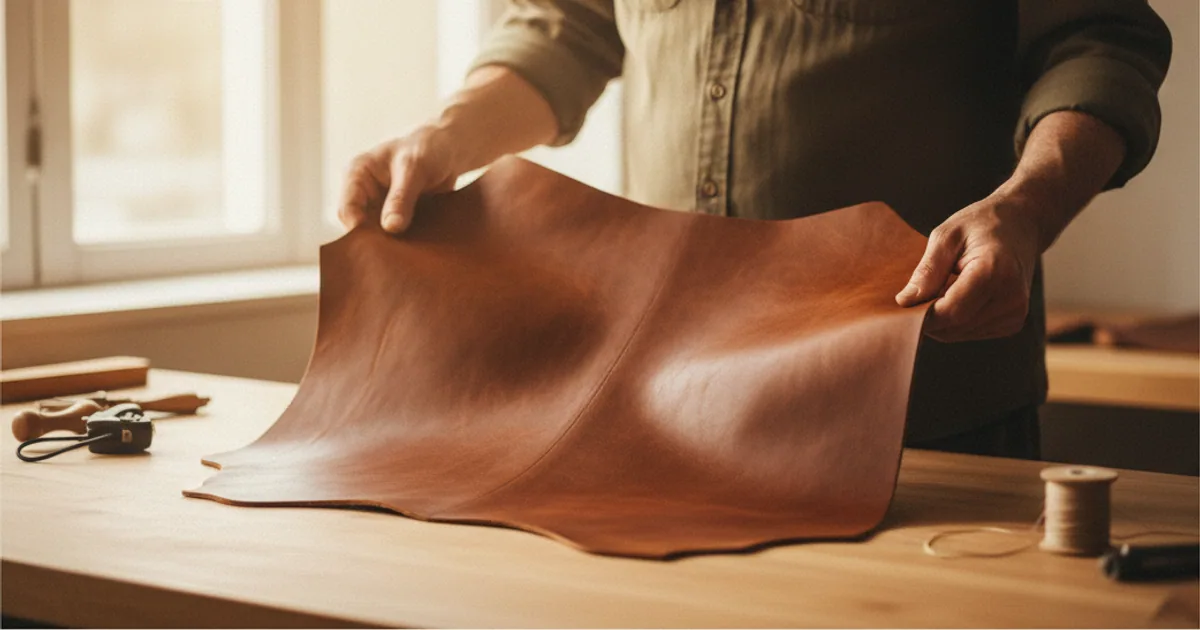
When you order full grain cowhide for bag production, you receive hides where the natural grain pattern varies across the surface. The shoulder area has tighter grain than the belly. The back is thicker than the flanks. This variation is a feature. It means you are working with real material rather than processed uniformity.
Cutting full grain requires planning around these variations. Experienced pattern makers position high stress components (straps, handles. closure tabs) in the tighter grain areas near the back and shoulders. Panels that see less stress can come from the belly or sides where the grain is looser.
| Characteristic | Full Grain | Top Grain | Genuine Leather |
|---|---|---|---|
| Surface treatment | None | Sanded, buffed | Split, embossed |
| Fiber density | Highest | Reduced | Lowest |
| Patina development | Strong | Moderate | Minimal |
| Breathability | Excellent | Good | Poor |
| Price range (per sq ft) | $8 to $20+ | $5 to $12 | $2 to $6 |
| Typical lifespan | 20+ years | 10 to 15 years | 3 to 7 years |
Finishing full grain is straightforward because the surface accepts dyes and conditioners directly. You can leave it natural for maximum patina development or apply a light aniline dye that lets the grain show through. Heavy pigmented finishes defeat the purpose of using full grain because they obscure the surface you paid a premium to preserve.
Full Grain Cowhide Leather Is the Best Grade You Can Buy covers the specific performance characteristics that make cowhide the most common choice for production buyers working with full grain.
Tradeoffs to Understand First
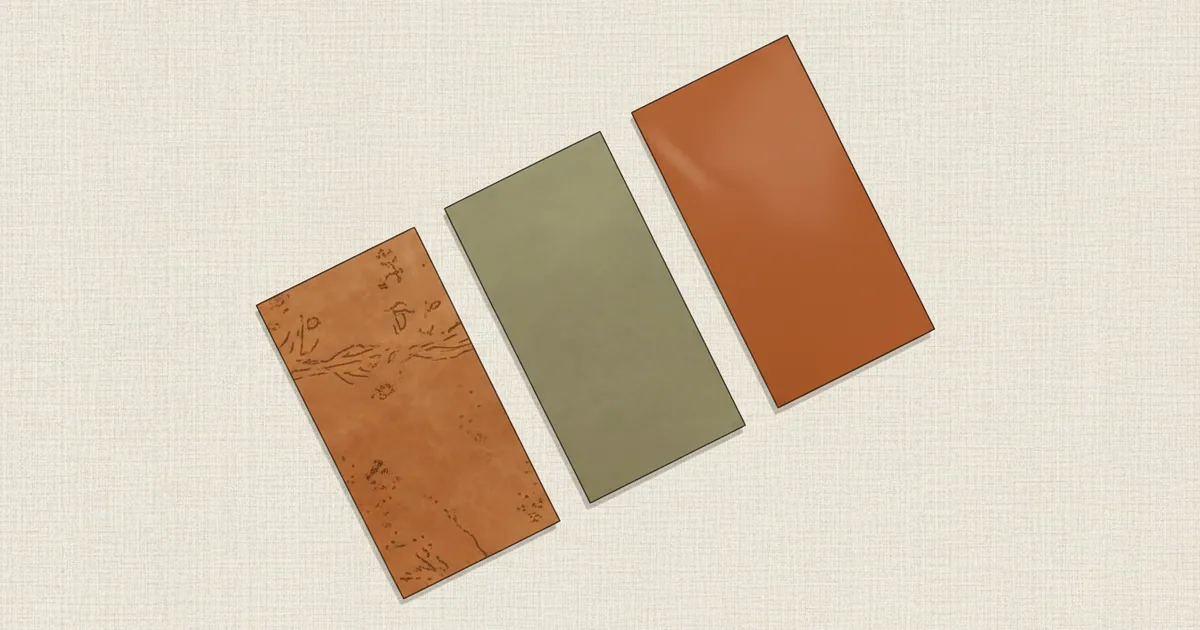 Full grain is not universally superior. It is superior for specific applications where longevity, patina. and material authenticity matter.
The first tradeoff is cost. A small batch of 50 bags using full grain cowhide will cost significantly more in materials than the same batch using corrected grain. If your retail price cannot absorb that difference while maintaining margins, full grain may price you out of your target market.
The second tradeoff is consistency. Full grain hides vary in color, thickness. and grain pattern even within the same lot from the same tannery. Mass production environments that require identical units struggle with this variation. Brands built around handmade character embrace it.
Surface imperfections are the third consideration. Full grain shows everything. Scratches, water spots. and abrasions that would disappear on corrected leather become permanent features. Products intended for rough use develop character from these marks. Products expected to stay pristine may disappoint customers who do not understand how full grain ages.
Weight is a practical factor for certain product categories. Full grain hides are heavier than split or bonded leathers. Some customers value that heft as a quality signal. Others find it inconvenient.
Where Full Grain Leather Usually Goes Wrong
The most common mistake is using full grain where it does not belong. Lining a bag interior with full grain adds cost and weight without adding value because nobody sees or touches that surface enough to appreciate it. Save full grain for exterior panels and components that face wear.
Mismatched expectations cause problems between makers and customers. Selling a full grain product without explaining how it will age sets up complaints later. The customer who expects their bag to look identical after three years does not want full grain. They want corrected leather with a protective topcoat.
Poor cutting wastes expensive material. Full grain hides cost too much to cut carelessly. Map your patterns to the hide before making any cuts. Account for thin spots, scars. and grain variation. Experienced cutters get 15% to 20% more usable material from the same hide than beginners.
Sourcing from unreliable suppliers introduces quality variance that production cannot absorb. A tannery that delivers inconsistent grades forces you to reject material, delay orders. or ship products below your standards. Verify supplier quality by requesting samples, photos of current stock. and references from other production buyers before placing large orders.
Frequently Asked Questions
How can I tell if leather is truly full grain?
Examine the surface closely. Full grain shows natural pores, small scars. and grain variation that you can feel with your fingernail. Corrected grain has a uniform, slightly plastic texture from sanding and coating. Flip the leather over. Full grain has a suede back (the flesh side) while bonded or split leathers often have fabric or synthetic backing.
Does full grain leather crack over time?
Full grain resists cracking better than lower grades when properly maintained. The intact fiber structure flexes without separating. Cracking typically indicates neglected leather that dried out from lack of conditioning or exposure to excessive heat. A well maintained full grain item can last decades without cracking.
Is full grain leather waterproof?
No leather is truly waterproof, but full grain resists water penetration better than corrected or split leathers because the dense grain surface acts as a natural barrier. Water beads on the surface rather than absorbing immediately. For serious water resistance, apply a leather conditioner with wax content or use leather specifically tanned for wet conditions.
Why does full grain leather cost so much more than other grades?
Supply constraints drive the price. Only hides with minimal defects qualify as full grain. Tanners cannot upgrade a scarred hide to full grain through any process. The demand for premium leather products exceeds the supply of clean hides. Processing costs are actually lower than corrected grain because full grain requires less sanding, buffing. and finishing.
Can I use full grain leather for products that will get heavy wear?
Full grain performs exceptionally under heavy wear because the dense fiber structure resists abrasion and tearing. Work boots, belts. saddles. and tool pouches made from full grain outlast alternatives by years. The surface marks from use become patina rather than damage. This is precisely where full grain delivers the most value over its lifespan.